
Dental veneers have become one of the most searched cosmetic dentistry treatments in the UK — and for good reason. A well-placed set of veneers can transform your smile in a matter of days, correcting staining, chips, gaps and uneven teeth in a way that looks entirely natural.
The challenge in the UK is the cost. A single porcelain veneer can set you back £500–£1,000 at a private dentist — meaning a full set of ten veneers could cost £5,000–£10,000 or more. For many people, that puts the treatment out of reach.
Turkey offers a genuine alternative. At reputable clinics in Antalya, the same quality of veneers — E-max, porcelain, laminate — costs 60–75% less than UK prices, even after flights and accommodation. This guide gives you the real numbers, explains exactly what you get for your money, and tells you what to watch out for.
2026 veneer prices: Turkey vs the UK
| Veneer type | UK price (per tooth) | Turkey price (per tooth) | Saving |
| E-max veneers | £500 – £900 | £130 – £250 | Up to 75% |
| Porcelain veneers | £500 – £1,000 | £120 – £220 | Up to 78% |
| Laminate veneers | £400 – £800 | £100 – £200 | Up to 75% |
| Composite bonding | £200 – £400 | £60 – £120 | Up to 70% |
| Full set (10 veneers) | £5,000 – £10,000 | £1,200 – £2,500 | Up to 75% |
These are honest market prices for 2026. The Turkey figures reflect treatment at a reputable clinic using quality ceramic materials — not rock-bottom prices that come with compromised materials or unqualified technicians.
What’s included: At DentArma, our veneer price includes the full consultation and treatment planning, X-rays, tooth preparation, temporary veneers during fabrication, the final ceramic veneers, fitting and any minor adjustments needed.
What types of veneers are available in Turkey?
E-max veneers
E-max (lithium disilicate) is currently the gold standard in cosmetic veneer dentistry. The material is pressed from a single block of ceramic, which gives it exceptional strength, translucency and a highly natural appearance. E-max veneers reflect light in the same way as natural tooth enamel, which is why they are the preferred choice for visible front teeth.
E-max veneers are also more durable than traditional porcelain veneers, with a lifespan of 15–20 years when properly maintained. They are the option most patients choose at DentArma when they want the best possible aesthetic result.
Porcelain veneers
Traditional feldspathic porcelain veneers are hand-layered by a dental technician, which allows for very fine aesthetic control. They are slightly more translucent than E-max and can achieve an exceptionally natural look in skilled hands. They are, however, more fragile than E-max and require slightly more care.
Laminate veneers
Laminate veneers are ultra-thin — typically 0.3–0.5mm — which means they require minimal or sometimes no tooth preparation. They are bonded directly to the front surface of the tooth, making the process minimally invasive. They work best for teeth that are otherwise healthy, with relatively minor cosmetic concerns such as staining or small chips.
Composite bonding
Composite bonding is a different process — a tooth-coloured resin is applied directly to the tooth and shaped by hand — but it is often considered alongside veneers because it addresses similar concerns. It is the most affordable option and requires no laboratory work, meaning it can be completed in a single appointment. It is also reversible, which is not the case for porcelain or E-max veneers. The trade-off is longevity: composite bonding typically lasts 5–7 years, compared to 15–20 for ceramic veneers.
How many veneers will I need?
This depends on what you want to achieve and which teeth are visible when you smile. Most patients treat between 6 and 10 teeth — the front six teeth (three on each side) plus the upper lateral incisors and canines that show when smiling broadly.
It is important that all teeth being veneered are treated with the same material and ideally by the same technician in the same batch, so that shade and translucency are perfectly matched across the smile.
Our approach: At DentArma, we always create a digital smile design before any tooth preparation begins. You see and approve the planned result — including shade, shape and proportion — before we start. Nothing is irreversible until you are happy with the design.
What does the process involve?
Consultation and smile design
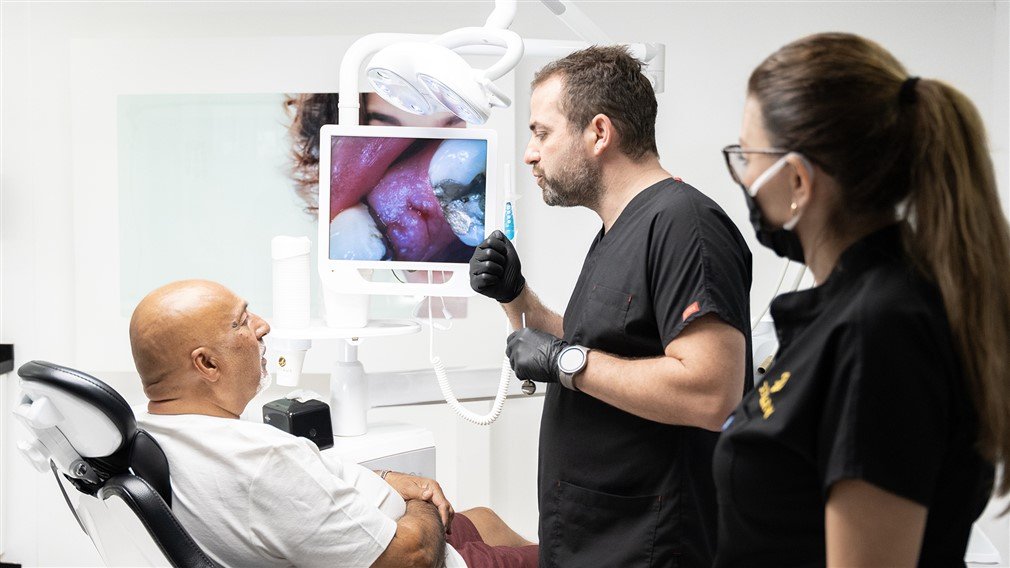
Your treatment begins with a full assessment — photographs, X-rays and a digital smile design that shows you how your finished veneers will look. This can be discussed and refined before any work begins.
Tooth preparation
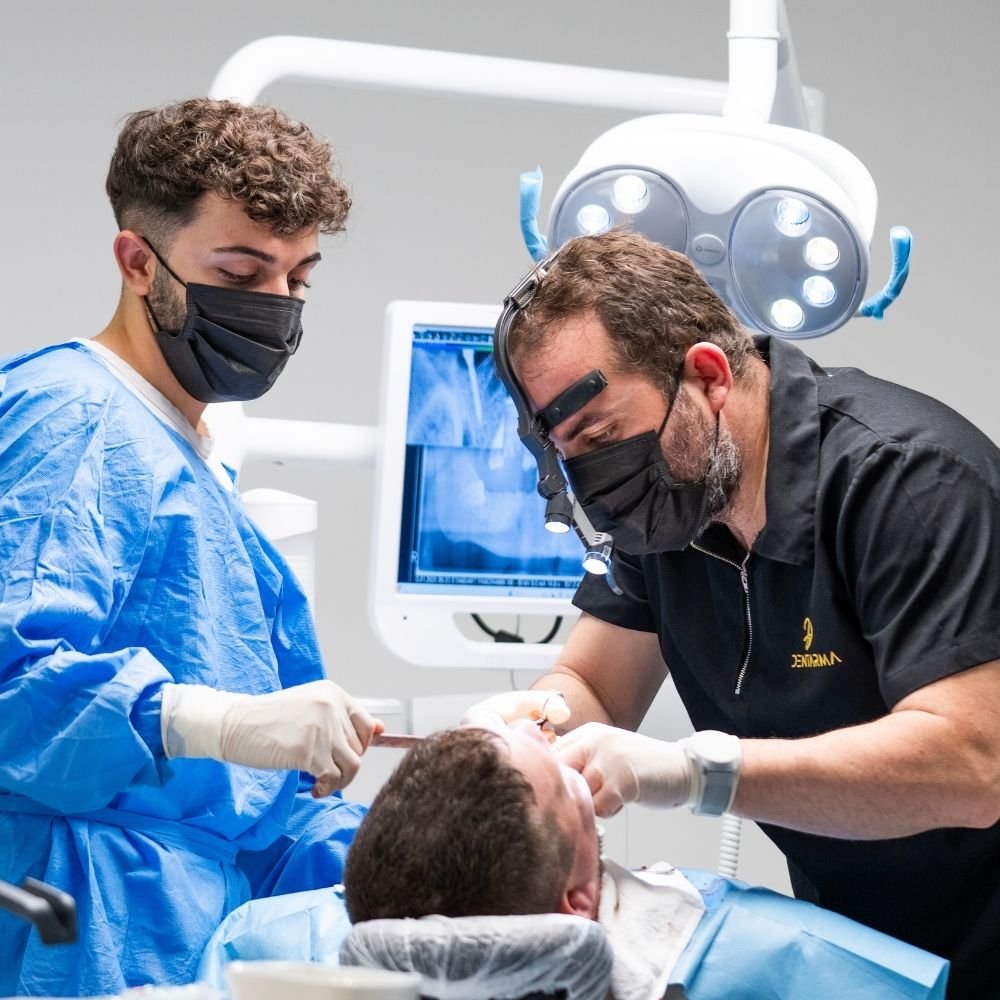
For porcelain and E-max veneers, a thin layer of enamel is removed from the front surface of each tooth to create space for the veneer. This is typically 0.3–0.7mm — approximately the thickness of a contact lens. Local anaesthesia is used throughout. Temporary veneers are placed while your permanent ones are fabricated.
Fabrication
Your veneers are made in a specialist dental laboratory, usually taking 3–5 days. At DentArma, we work with a dedicated in-house laboratory to ensure precise control over shade, shape and finish.
Fitting
Your permanent veneers are bonded to your teeth using a dental adhesive that is cured with light. Your dentist will make any minor adjustments to ensure a perfect fit and bite before the appointment is complete.
Can I get veneers done in one trip to Turkey?
Yes — in most cases. Because the fabrication takes 3–5 days, most patients arrive, have their consultation and preparation on day one or two, spend a few days in Antalya while the veneers are made, and have the fitting before flying home. The entire process can be completed in a single 6–7 day visit.
This is one of the reasons veneers are so well suited to dental tourism — unlike implants, which require an integration period of several months, a veneer treatment has no waiting phase between preparation and fitting.
What should I look out for?
The veneer market attracts clinics that cut costs by using low-quality ceramic materials, employing minimally qualified technicians, or rushing the preparation process. Here is what to check:
- Ask specifically whether veneers are E-max or IPS Empress — named brand ceramics with documented quality standards
- Ask about the dental laboratory — is it in-house or outsourced, and where is it located?
- Look for clinics that offer digital smile design before preparation — this is now standard at quality clinics
- Be cautious of prices significantly below the ranges in this guide — the material cost alone makes extreme undercutting a red flag
- Check that temporary veneers are provided during the fabrication period — leaving teeth unprotected is not acceptable
- Ensure the treating dentist is a qualified prosthodontist or cosmetic dentistry specialist, not a general dentist
Frequently asked questions
Do veneers damage your teeth?
Porcelain and E-max veneers require a small amount of enamel removal, which is irreversible — you will need veneers on those teeth for life. This is why the decision should not be taken lightly. Laminate veneers and composite bonding are more conservative options that remove little to no tooth structure. Your specialist will discuss the most appropriate option based on your teeth and goals.
How long do veneers last?
E-max and porcelain veneers typically last 15–20 years with good oral hygiene and regular check-ups. Composite bonding lasts 5–7 years. Veneers are not permanent — they will eventually need replacing — but they are long-lasting when properly maintained.
Will my veneers look natural?
At a quality clinic using premium ceramic materials and a skilled laboratory, yes — entirely natural. The shade, translucency and shape are all customised to your face, existing teeth and preferences. A good cosmetic result should look like your own teeth, only better — not obviously artificial.
Can I get veneers if I grind my teeth?
Bruxism (teeth grinding) puts significant stress on veneers and can shorten their lifespan considerably. If you grind your teeth, this needs to be disclosed and managed — typically with a night guard. Your specialist will assess this during your consultation.
What is the difference between veneers and crowns?
A veneer covers only the front surface of a tooth. A crown covers the entire tooth. Veneers are used for cosmetic improvement of otherwise healthy teeth; crowns are used when a tooth has been significantly damaged, weakened or heavily restored. For cosmetic purposes on healthy teeth, veneers are almost always the more conservative and appropriate choice.
Related treatments at DentArma
- Porcelain Veneers in Turkey — dentarma.com/porcelain-veneers-in-turkey/
- E-max Veneers in Turkey — dentarma.com/e-max-veneers-in-turkey/
- Laminate Veneers in Turkey — dentarma.com/laminate-veneers-in-turkey/
- Smile Makeover (Hollywood Smile) — dentarma.com/smile-makeover-hollywood-smile-in-turkey/
- Composite Bonding in Turkey — dentarma.com/composite-bonding-in-turkey/
Get your personalised veneer quote
Send us a photo of your smile via WhatsApp and we will put together a free treatment plan — including the number of veneers recommended, the type of ceramic, and the total cost. No obligation.