Startseite / Behandlungen / Zahnimplantate
Behandlungsleitfaden · Zahnimplantate
Zahnimplantate – der vollständige Leitfaden für Patienten aus Großbritannien.
Ein praktischer Leitfaden zur Zahnimplantatbehandlung in Antalya – Arten, Materialien, Ablauf, Heilung, Nachsorge und alles, was jeder Patient aus Großbritannien wissen sollte, bevor er anreist. Verfasst vom klinischen Team von Dentarma.
In diesem Leitfaden: Was es ist / Schräg gesetzte Implantate / vs. andere Optionen / Zähne am selben Tag / Der Ablauf / Heilung / Sind Sie ein geeigneter Kandidat? / Warum All-on-4? / Risiken / Preisgestaltung / HGF
01 · Die Grundlagen
Was genau ist ein Zahnimplantat?
Ein Zahnimplantat ist ein dauerhafter Ersatz für einen fehlenden Zahn und besteht aus drei Komponenten, die zusammen die natürliche Zahnwurzel, die Zahnstruktur und die sichtbare Krone nachbilden.
Ein Zahnimplantat ersetzt sowohl den sichtbaren Zahn als auch die darunterliegende Zahnwurzel. Das ist der entscheidende Unterschied zu einer Prothese oder einer Brücke, die beide entweder auf dem Zahnfleisch aufliegen oder sich auf benachbarte Zähne stützen. Ein Implantat verwächst direkt mit dem Kieferknochen durch einen Prozess namens Osseointegrationund wird über einen Heilungszeitraum von drei bis sechs Monaten zu einem dauerhaften Teil Ihres Skeletts.
Nach der Integration trägt ein Implantat eine endgültige Krone, Brücke oder eine Vollbogenprothese, die wie ein natürlicher Zahn aussieht und funktioniert. Implantate können bei einem einzelnen fehlenden Zahn, mehreren benachbarten fehlenden Zähnen oder zur Unterstützung eines kompletten Zahnbogens (All-on-4, All-on-6 oder vollständiger Zahnersatz) eingesetzt werden. Bei richtiger Pflege sind moderne Zahnimplantate darauf ausgelegt, ein Leben lang zu halten.
Komponente 01
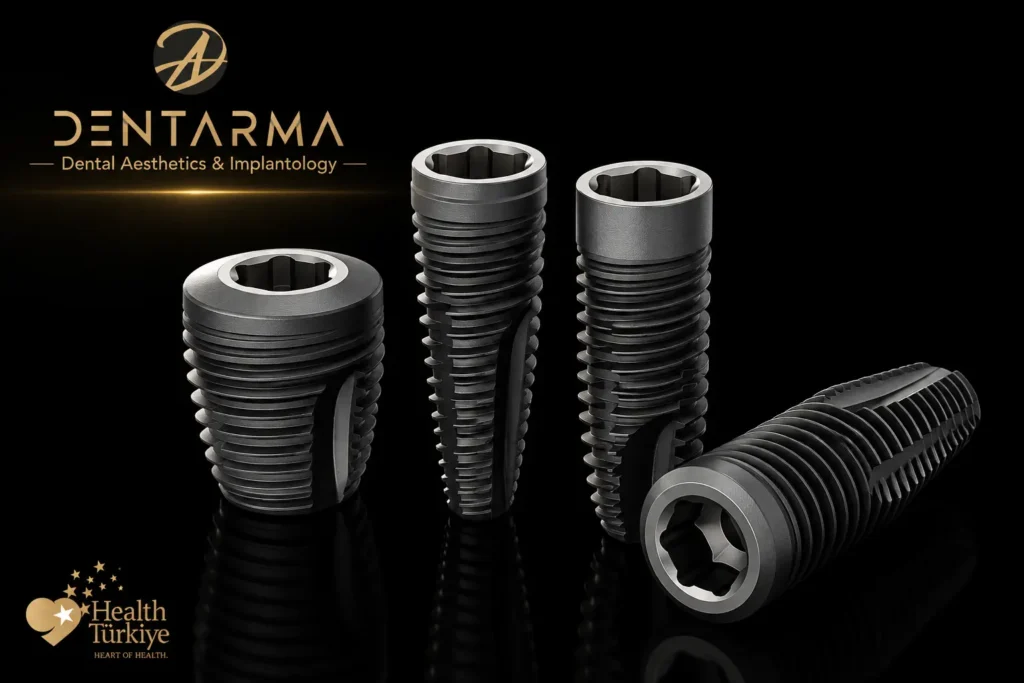
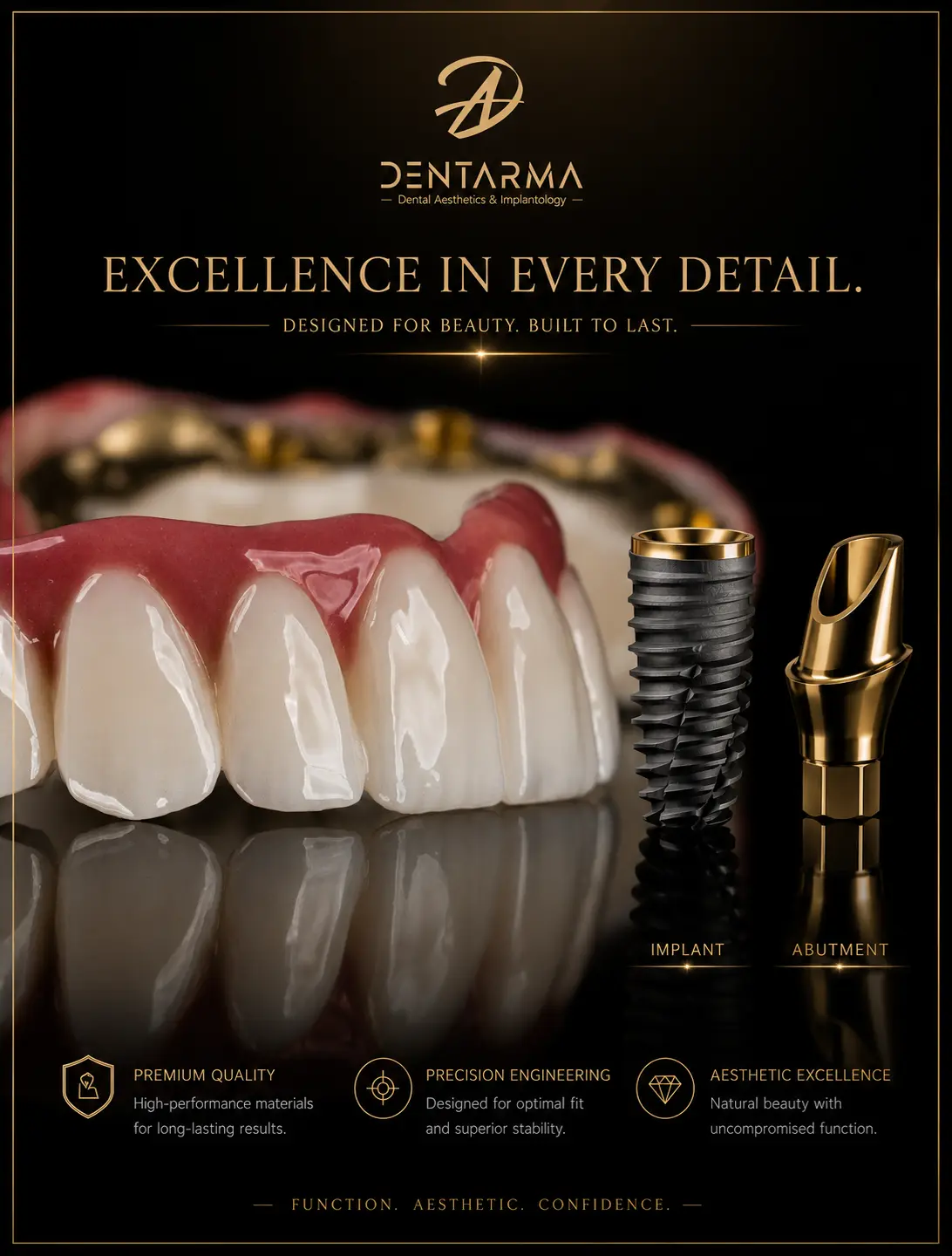
Eine Schraube aus medizinischem Titan, in der Regel 8–14 mm lang, die chirurgisch in den Kieferknochen eingesetzt wird. Sie fungiert als künstliche Zahnwurzel und bildet die strukturelle Grundlage des Zahnersatzes.
Material
Titan (Grad 4)
Komponente 01
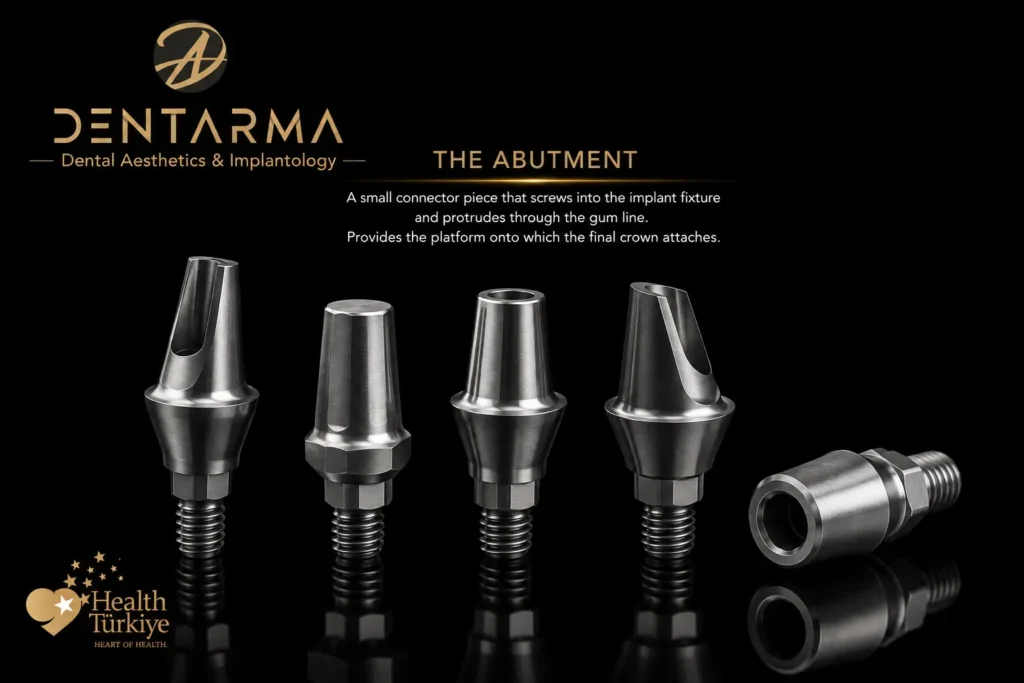
Ein kleines Verbindungsstück, das in das Implantat eingeschraubt wird und durch das Zahnfleisch hindurchragt. Es bildet die Basis, auf der die endgültige Krone befestigt wird.
Material
Titan oder Zirkonoxid
Komponente 03
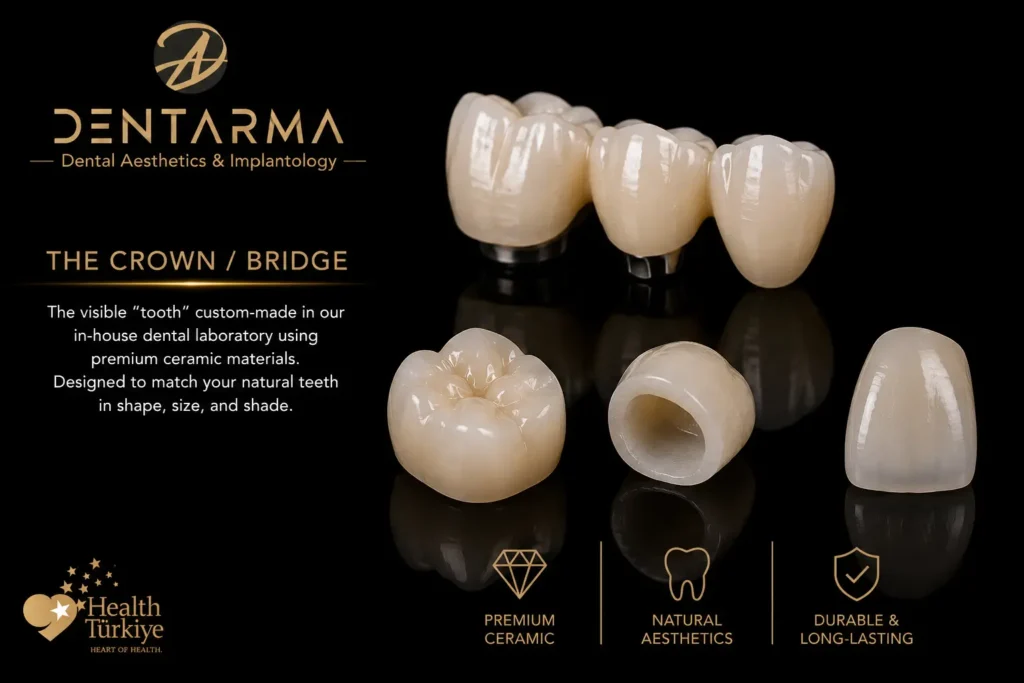
Der sichtbare „Zahn“, der in unserem hauseigenen Dentallabor aus hochwertigen Keramikmaterialien individuell angefertigt wird. Er wird so gestaltet, dass er hinsichtlich Form, Größe und Farbe perfekt zu Ihren natürlichen Zähnen passt.
Material
Zirkonoxid oder E.max®
Implantate vs. Prothesen vs. Brücken im direkten Vergleich
Die meisten Patienten kommen zu Dentarma, nachdem sie bereits eine Teilprothese tragen oder eine Brücke in Betracht ziehen. Hier ist ein ehrlicher Vergleich der drei Optionen anhand der Kriterien, die für Patienten am wichtigsten sind.
| KRITERIUM | ZAHNIMPLANTATE | ZAHNPROTHESEN | FESTSITZENDE BRÜCKE |
|---|---|---|---|
| Dauerhaftigkeit | ✓ Dauerhaft | ✗ Herausnehmbar | ✓ Dauerhaft |
| Knochenerhalt | ✓ Regt den Kieferknochen an | ✗ Knochenverlust beschleunigt sich | ✗ Knochenverlust im Lückenbereich |
| Essfähigkeit | ✓ Wie natürliche Zähne | ~ Begrenztes Verrutschen | ✓ Nahezu natürlich |
| Sprachverständlichkeit | ✓ Unbeeinträchtigt | ~ Lispeln ist häufig | ✓ Unbeeinträchtigt |
| Benachbarte Zähne | ✓ Unberührt | ✓ Unberührt | ✗ Muss beschliffen werden |
| Tägliche Pflege | ✓ Wie natürliche Zähne putzen | ✗ Herausnehmen, einweichen, reinigen | ~ Spezielle Zahnseide |
| Lebensdauer | ✓ 25+ Jahre / lebenslang | ✗ 5–8 Jahre | ~ 10–15 Jahre |
| Anfangskosten in der Türkei | Höher | Am niedrigsten | Mittel |
| Lebenslange Kosten | ✓ Am niedrigsten, kein Ersatz erforderlich | ✗ Am höchsten, mehrere Zahnersatz-Sets | ~ Mittel, ein Austausch erforderlich |
Sechs Implantatbehandlungen, eine Klinik.
Von einem einzelnen fehlenden Zahn bis hin zu starkem Knochenverlust, der Jochbeinimplantate erfordert, führt Prof. Dr. Şeker das gesamte Spektrum der Implantatbehandlungen persönlich durch – mit zwanzig Jahren klinischer Erfahrung in jedem Fall.
Einzelzahnimplantat
Ersetzt einen fehlenden Zahn mit einer einzelnen Implantatverankerung und einer individuellen Krone. Die sauberste und dauerhafteste Lösung zum Ersatz eines einzelnen verlorenen Zahns.
One missing or failing tooth. No impact on neighbouring teeth. Ideal for front teeth where aesthetics matter most.
Implantatgetragene Brücke
Zwei oder drei Implantate tragen eine mehrgliedrige Brücke. Ersetzt eine Gruppe benachbarter fehlender Zähne, ohne gesunde Nachbarzähne zu beschleifen.
2–4 missing teeth in a row. Stronger than a traditional bridge with no impact on adjacent healthy teeth.
All-on-4-Vollprothese
Ein kompletter Zahnbogen, der von vier strategisch angewinkelten Implantaten getragen wird. Festsitzend, nicht herausnehmbar und oft ohne Knochentransplantation möglich.
Zahnprothesenträger, starker Zahnverlust oder vollständiges Versagen des Zahnbogens. Sofortprovisorische Zähne am selben Tag – Sie verlassen die Klinik niemals ohne Zähne.
All-on-6 Vollbogen
Maximale Stabilität für den vollständigen Zahnbogen, der auf sechs Implantaten basiert – verteilt die Kaubelastung gleichmäßiger als All-on-4 für eine stärkere langfristige Verankerung.
Patienten mit ausreichendem Knochenangebot, stärkeren Kaubelasten oder dem Wunsch nach maximaler langfristiger Haltbarkeit. Empfohlen für den Unterkiefer.
Vollständiger Zahnersatz mit Implantaten
Implantatgestützte Rekonstruktion des Ober- und Unterkiefers. Die umfassendste Behandlung, geeignet bei vollständigem Zahnverlust in beiden Kiefern.
Complete tooth loss or failure across both arches. Combines All-on-4 or All-on-6 in both jaws.
Jochbeinimplantate
Lange Implantate, die im Jochbein (Wangenknochen) verankert werden statt im Kiefer – für Patienten mit starkem Knochenverlust im Oberkiefer, bei denen herkömmliche Implantate nicht möglich sind.
Patienten, denen von anderen Kliniken gesagt wurde, dass sie „nicht genug Knochen haben“. Vermeidet umfangreiche Knochenaufbauten. Spezialisierte chirurgische Technik.
Warum wir es verwenden Straumann Neodent® ausschließlich.
Straumann Neodent ist ein in Brasilien entwickeltes Implantatsystem, das zur Straumann Group gehört und klinisch von ihr überwacht wird – dem Schweizer Unternehmen, das seit über fünfzig Jahren den weltweiten Goldstandard in der Implantologie setzt.
Neodent bietet unseren Patienten das chirurgische Protokoll, die Biomaterialwissenschaft und die klinische Forschung der Straumann Group – zu einem Preisniveau, das die All-inclusive-Pakete von Dentarma ermöglicht. Das Implantat in Ihrem Kiefer gehört zur gleichen Implantatfamilie, die auch in erstklassigen Privatkliniken in London, Berlin und New York verwendet wird.
Jedes von uns eingesetzte Straumann Neodent Implantat ist FDA-zugelassen, CE-gekennzeichnet und wird mit Herstellerdokumentation geliefert, die Sie und Ihr Zahnarzt in Großbritannien unabhängig überprüfen können.
Oberflächentechnologie
Die hydrophile Neoporos®-Oberfläche beschleunigt die Osseointegration im Vergleich zu konventionellem glattem Titan.
Klinische Forschung
Gestützt auf über 50 Jahre peer-reviewte Implantologie-Forschung der Straumann Group.
Anerkennung im Vereinigten Königreich
Von jedem Zahnarzt in Großbritannien anerkannt und behandelbar, der mit Systemen der Straumann Group vertraut ist.
Dokumentation
Jedem Patienten wird ein Herstellerzertifikat ausgestellt – Ihr Implantat ist unabhängig überprüfbar.
Vom ersten WhatsApp-Gespräch an bis zum finalen Zahn.
Die gesamte Zahnimplantat-Behandlung dauert zwischen vier und sechs Monaten von der Erstberatung bis zur endgültigen Kronenversorgung, wobei nur zehn bis vierzehn Tage in Antalya verbracht werden.
Kostenlose
Beratung
Senden Sie Röntgenbilder und Fotos per WhatsApp. Behandlungsplan und Kostenvoranschlag innerhalb von 24 Stunden.
Behandlung
Plan
Schriftlicher, detaillierter und festpreisiger Behandlungsplan, der persönlich von Prof. Dr. Şeker überprüft wird.
Operation
Zahnextraktionen falls erforderlich, Implantatsetzung, sofortige provisorische Zähne am selben Tag. Erholung in Ihrem Hotel.
Heilung
Osseointegration im Heimatland (UK). Während der gesamten Zeit werden komfortable provisorisch festsitzende Zähne getragen.
Endgültige Kronen
Rückkehr nach Antalya. Die endgültige Zirkonbrücke wird eingesetzt. Sie verlassen die Klinik mit permanenten Zähnen.
Nachsorge im Vereinigten Königreich
Erste Nachsorgekontrolle in Großbritannien in unserer Partnerklinik in Glasgow, Surrey oder North Croydon.
Lebenslange Betreuung
Jährliche Nachsorgeuntersuchungen in Großbritannien, direkter WhatsApp-Zugang zu Ihrem Chirurgen ein Leben lang, lebenslange Garantie.
Heilung & Osseointegration.
Osseointegration ist der biologische Prozess, bei dem das Titanimplantat mit Ihrem Kieferknochen verwächst. Es ist die wichtigste Phase der Zahnimplantatbehandlung und der Grund, warum erfolgreiche Implantate ein Leben lang halten.
Während der Osseointegration wachsen die Zellen Ihres Kieferknochens direkt auf die Oberfläche des Titanimplantats und verankern es dauerhaft an seinem Platz. Diese biologische Verschmelzung verleiht Implantaten ihre Stärke und Langlebigkeit – es sind nicht Klebstoffe oder Schrauben, die das Implantat in Ihrem Mund halten, sondern Ihr eigener Knochen.
Die Heilung verläuft größtenteils unauffällig und ereignislos. Die meisten Patienten kehren innerhalb von 3–7 Tagen nach der Operation zu normalem Essen, Arbeiten und Sport zurück. Die Implantate heilen anschließend über die nächsten 3–6 Monate im Inneren weiter, während Sie komfortable provisorische Zähne tragen.
Tage 1–3
Unmittelbar nach der Operation
Leichte Schwellungen, geringe Blutungen und Beschwerden, die mit verschriebenen Schmerzmitteln gut kontrollierbar sind. Nur weiche Nahrung — Suppen, Smoothies, Kartoffelpüree. Die meisten Patienten beschreiben die Schmerzen als deutlich geringer als erwartet.
Tage 4–7
Erste Weichteilheilung
Die Schwellung geht zurück, das Zahnfleisch beginnt sich um die Implantate zu schließen. Rückkehr zu weichen normalen Lebensmitteln. Die meisten Patienten fliegen um Tag 7 mit ihren komfortabel funktionierenden provisorisch festsitzenden Zähnen nach Hause.
Wochen 2–6
Oberflächenheilung abgeschlossen
Die Nähte lösen sich natürlich auf. Das Zahnfleisch heilt vollständig um die Implantatbereiche herum. Sie können alle normalen Aktivitäten wieder aufnehmen — Arbeit, Sport und soziale Aktivitäten. Die meisten Lebensmittel sind nun mit der provisorischen Brücke gut kaubar.
Monate 1–3
Aktive Osseointegration
Die Fäden lösen sich auf natürliche Weise. Das Zahnfleisch heilt vollständig um die Implantatstellen herum. Sie können alle normalen Aktivitäten wieder aufnehmen — Arbeit, Sport und soziale Ereignisse. Die meisten Lebensmittel sind nun mit der provisorischen Brücke gut zu bewältigen.
Monate 3–6
Vollständige Integration erreicht
Der Knochen-Implantat-Kontakt erreicht maximale Stabilität. Die Implantate sind vollständig osseointegriert und bereit, die permanente Zirkonbrücke zu tragen. Zeit für die Rückreise zum zweiten Besuch.
Wann zusätzliche Schritte erforderlich sein können.
Patienten, denen seit mehreren Jahren Zähne fehlen, haben häufig Knochenverlust im Kiefer. Zwei gängige Verfahren stellen ausreichend Knochen wieder her, um Implantate zu tragen – beide werden bei Dentarma routinemäßig durchgeführt.
Ein biokompatibler Knochenersatz wird in Bereiche eingesetzt, in denen natürlicher Knochen verloren gegangen ist, und dient als Gerüst, damit Ihr eigener Knochen nachwachsen kann. Über 3–6 Monate bildet Ihr Körper neues Knochengewebe auf dem Transplantat und schafft so ausreichend Struktur zur Unterstützung von Implantaten.
Wenn sich die Kieferhöhlen (über dem Oberkiefer) nach unten ausgedehnt haben und dadurch nicht genügend Knochenhöhe für Implantate vorhanden ist, wird die Kieferhöhlenschleimhaut vorsichtig angehoben und Knochenersatzmaterial in den entstandenen Raum eingebracht. Häufig bei Patienten, denen im Oberkieferseitenbereich seit mehreren Jahren Zähne fehlen.
Falls Ihr Fall einen Knochenaufbau oder Sinuslift erfordert, wird dies bereits bei der kostenlosen Röntgenauswertung in Ihrer Beratung festgestellt und transparent in Ihrem schriftlichen Angebot aufgeführt – niemals als Überraschung bei der Ankunft.
Sind Sie ein geeigneter Kandidat?
Die meisten gesunden Erwachsenen, denen ein oder mehrere Zähne fehlen, sind für Zahnimplantate geeignet. Es gibt einige Kriterien, die vor der Buchung einer Beratung geprüft werden sollten – aber wenn Sie unsicher sind, senden Sie uns Ihr Röntgenbild und wir sagen Ihnen ehrlich, ob es geeignet ist.
Allgemein guter Gesundheitszustand
Die meisten chronischen Erkrankungen (kontrollierter Diabetes, Herzerkrankungen, Blutdruck) sind gut beherrschbar. Wir prüfen die gesamte Krankengeschichte während der Beratung.
Ausreichendes Kieferknochenvolumen
Oder bereit sind, sich bei Bedarf einer Knochenaugmentation zu unterziehen. Dies beurteilen wir anhand Ihres Panoramaröntgenbildes während der kostenlosen Beratung.
Gesundes Zahnfleisch
Frei von aktiven Zahnfleischerkrankungen (Parodontitis). Falls erforderlich, können wir diese vor dem Einsetzen der Implantate zunächst behandeln.
Ausgereifte Kieferstruktur
Im Allgemeinen über 18 Jahre alt, mit vollständig entwickelten Kieferknochen. Keine obere Altersgrenze — wir behandeln All-on-4-Patienten auch bis in die 80er Jahre.
Engagement für die Mundhygiene
Zweimal tägliches Zähneputzen, regelmäßige Verwendung von Zahnseide und routinemäßige Kontrolluntersuchungen. Implantate benötigen ebenso Pflege wie natürliche Zähne.
Nichtraucher oder bereit, mit dem Rauchen aufzuhören
Rauchen reduziert die Erfolgsrate von Implantaten erheblich. Wir empfehlen dringend, mindestens 2 Wochen vor der Operation mit dem Rauchen aufzuhören.
Realistische Erwartungen
Implantate sind ein Prozess von 4–6 Monaten vom Anfang bis zum Abschluss. Wer Ihnen „neue Zähne in einer Woche“ verspricht, führt Sie in die Irre.
Reisefähig
Zwei Besuche in Antalya mit einer Dauer von jeweils 5–7 Tagen, im Abstand von 3–6 Monaten, um eine optimale Heilung zu gewährleisten. Direktflüge von den meisten Flughäfen im Vereinigten Königreich.
Ihr Nachsorgenetzwerk befindet sich im Vereinigten Königreich.
Jeder Dentarma-Implantatpatient erhält kostenlose Nachkontrollen nach der Behandlung, Bissanpassungen und eine Notfall-Ersteinschätzung in einer von drei GDC-registrierten Partnerkliniken im Vereinigten Königreich – so ausgewählt, dass über 90 % der UK-Patienten innerhalb von 90 Minuten eine Nachsorgetermin-Möglichkeit erreichen können.
- Südengland[Partnerklinik in Surrey]Bletchingley, Surrey · GDC-registriertBetreut Südostengland, Südwestengland und East Anglia
- Süd-London[Partnerklinik in North Croydon]North Croydon, London · GDC-registriertBedient Greater London, Kent, Sussex und Essex
Alle Nachsorgeuntersuchungen, Bissanpassungen und Notfall-Ersteinschätzungen im Vereinigten Königreich sind in Ihrem DentArma-Paket enthalten – ohne zusätzliche Kosten.
Lebenslange Garantie auf Straumann Neodent® Implantate und lebenslanger direkter WhatsApp-Zugang zu Prof. Dr. Şeker.
10 Jahre Garantie auf alle von DentArma eingesetzten Kronen, Brücken und Zirkonrestaurationen. Ersatz ist abgedeckt..
10 · Risiken & Realitäten
Implantatrisiken, und wie wir sie managen.
Zahnimplantate gehören zu den erfolgreichsten Verfahren in der Zahnmedizin, mit dokumentierten Erfolgsraten von über 95 % über Jahrzehnte klinischer Forschung hinweg. Dennoch handelt es sich um einen chirurgischen Eingriff – und jeder chirurgische Eingriff birgt Risiken. Hier ist ein ehrlicher Blick auf die tatsächlichen Risiken.
Das Implantat verwächst nicht mit dem Knochen.
Tritt branchenweit in 1–2 % der Fälle auf. Ursachen: Rauchen, unkontrollierter Diabetes, schlechte chirurgische Technik oder minderwertige Implantate.
Bakterielle Infektion im Operationsbereich.
Durch korrekte Sterilisation, antibiotische Prophylaxe und postoperative Mundhygiene vermeidbar. Die meisten Infektionen sprechen gut auf Antibiotika an, wenn sie früh erkannt werden.
Wir verwenden ausschließlich Premium-Materialien Straumann Neodent® Wir verwenden ausschließlich Premium-Implantate, die persönlich von Prof. Dr. Şeker eingesetzt werden. Fehlgeschlagene Implantate werden im Rahmen unserer lebenslangen Garantie kostenlos ersetzt.
Krankenhausstandard-Sterilisation, verschriebene Antibiotika im Paket enthalten, detaillierte häusliche Pflegeanweisungen und direkter WhatsApp-Zugang zu Prof. Dr. Şeker bei allen Anliegen.
Risiko 03 · Nervenschädigung
Schädigung des Nervus alveolaris inferior.
Selten, aber möglich, wenn Implantate ohne präzise 3D-Planung eingesetzt werden, insbesondere im Unterkiefer, wo der Nervus alveolaris inferior nahe an den Backenzahnwurzeln verläuft.
Risiko 04 · Sinusprobleme
Sinusperforation in Fällen des Oberkiefers.
Kann auftreten, wenn im Oberkieferseitenbereich Implantate gesetzt werden und die Kieferhöhlen zu tief liegen. Wird präoperativ mittels CBCT-Aufnahme erkannt.
Wie DentArma damit umgeht
Obligatorisch 3D-CBCT-Bildgebung vor jeder Implantatoperation. Jede Implantatsetzung wird vor dem ersten Schnitt digital im 3D-Raum geplant.
Wie DentArma damit umgeht
Alle Implantatfälle im oberen Seitenzahnbereich werden mittels 3D-CBCT auf die Lage der Kieferhöhlen untersucht. Ein Sinuslift wird bei Bedarf durchgeführt – niemals als postoperative Überraschung.
Risiko 05 · Periimplantitis
Langfristige Zahnfleischerkrankung rund um Implantate.
Ein Langzeitrisiko, das durch unzureichende Mundhygiene rund um die Implantate verursacht wird. Es führt zu Knochenverlust und kann unbehandelt zum Verlust der Implantate führen.
„Premium“-Upgrades oder Zusatzleistungen, die bei der Ankunft hinzugefügt werden.
Eine häufige klinische Erfahrung in der Türkei – nicht medizinisch, sondern finanziell bedingt. Die häufigste Patientenbeschwerde im Dentaltourismus.
Jährliche Nachsorgeuntersuchungen im Vereinigten Königreich in Surrey oder North Croydon ermöglichen die frühzeitige Erkennung einer Periimplantitis. Patientenschulungen zur häuslichen Pflege sind in jeder Behandlung enthalten.
Ihr schriftliches Angebot ist vor der Behandlung festgelegt. Änderungen erfolgen nur, wenn ein klinisches Problem festgestellt wird, das auf dem Röntgenbild nicht sichtbar war – und nur mit Ihrer vorherigen schriftlichen Zustimmung.
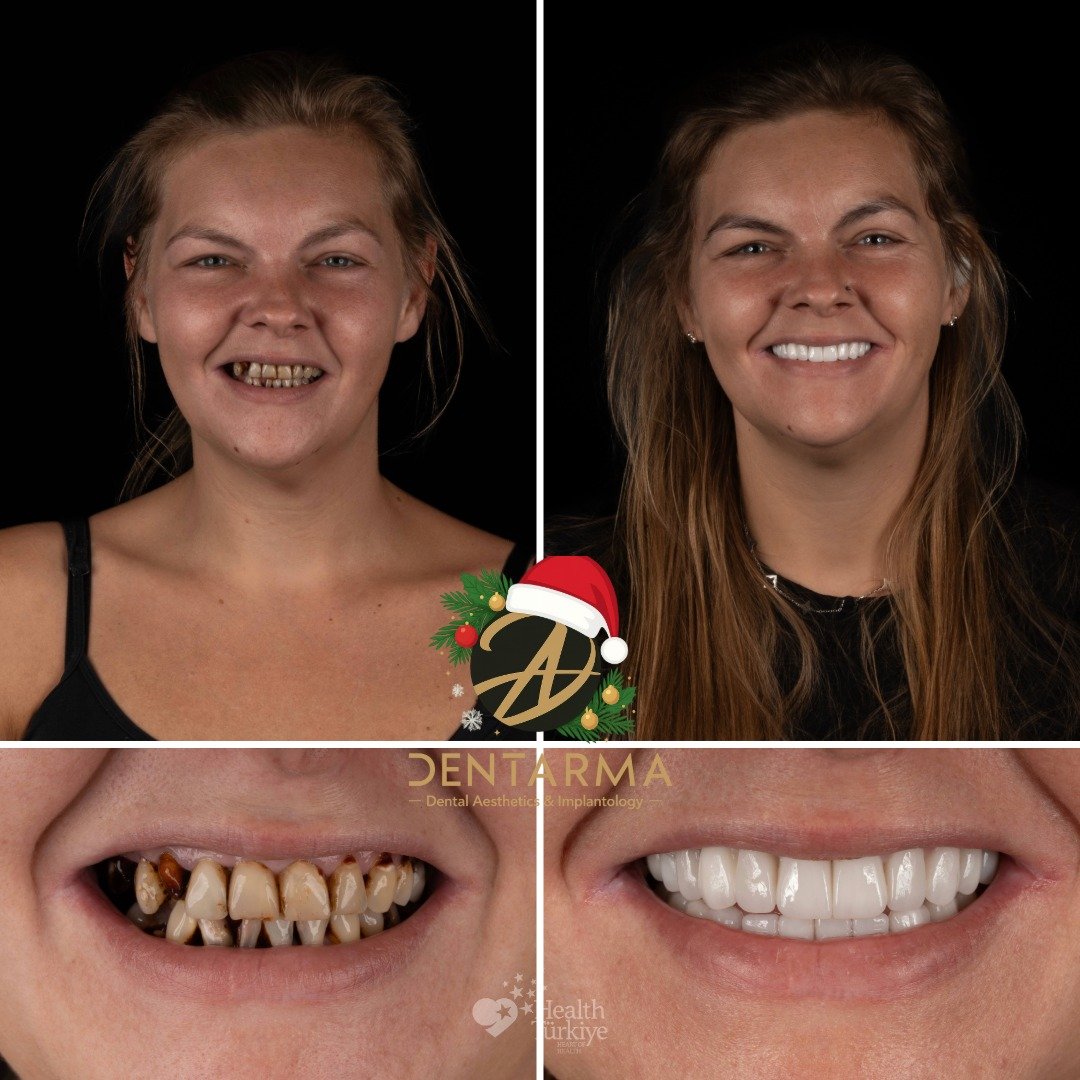
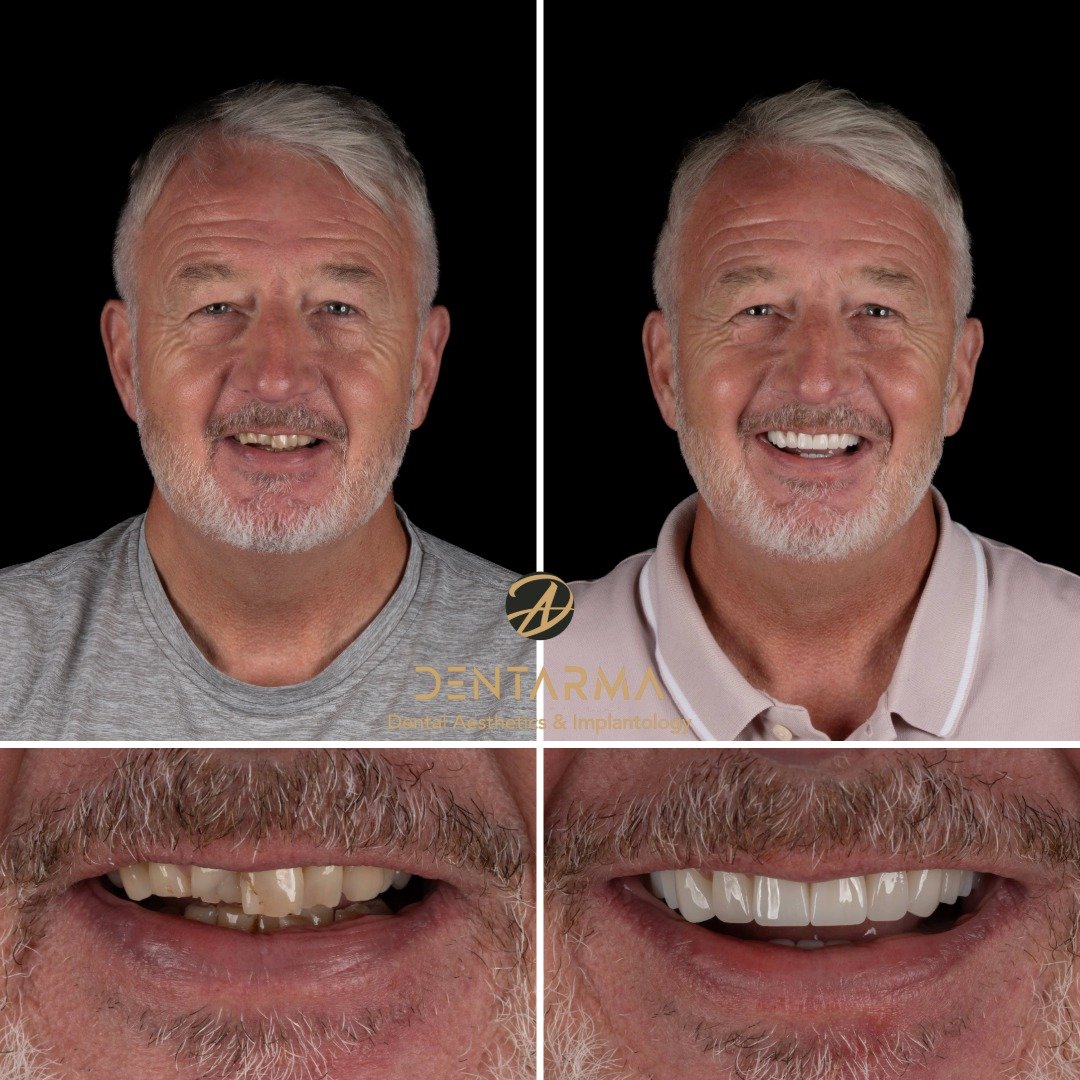
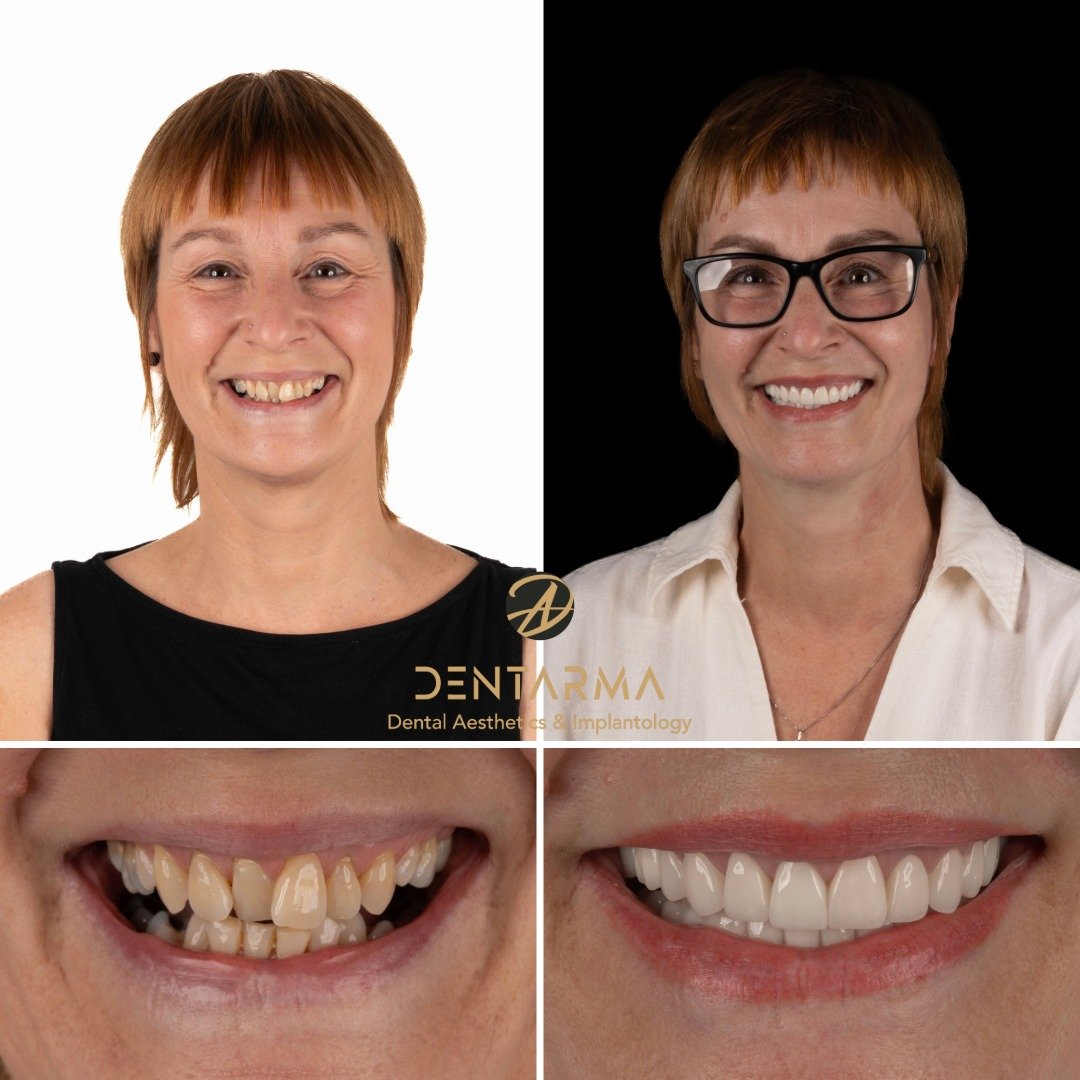
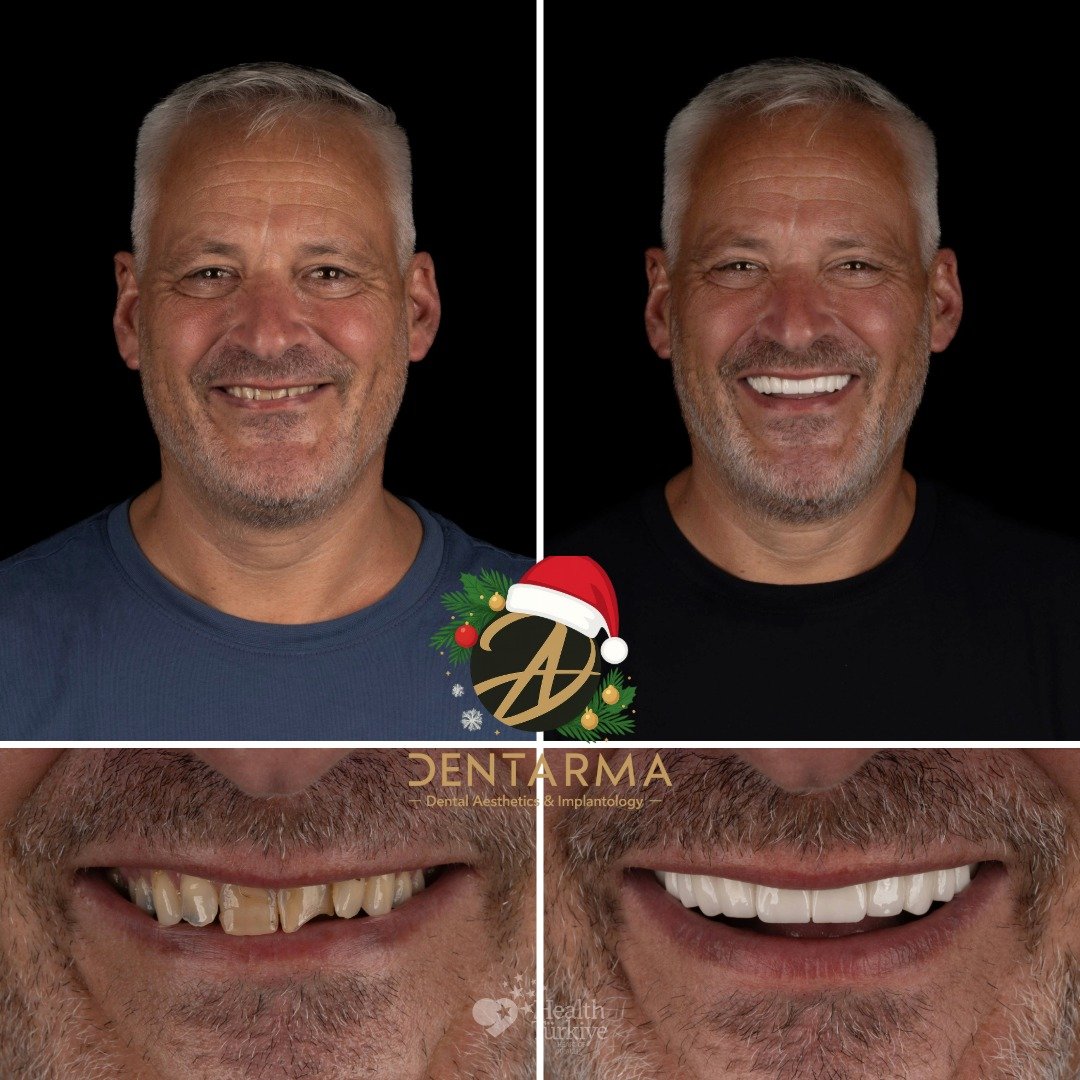
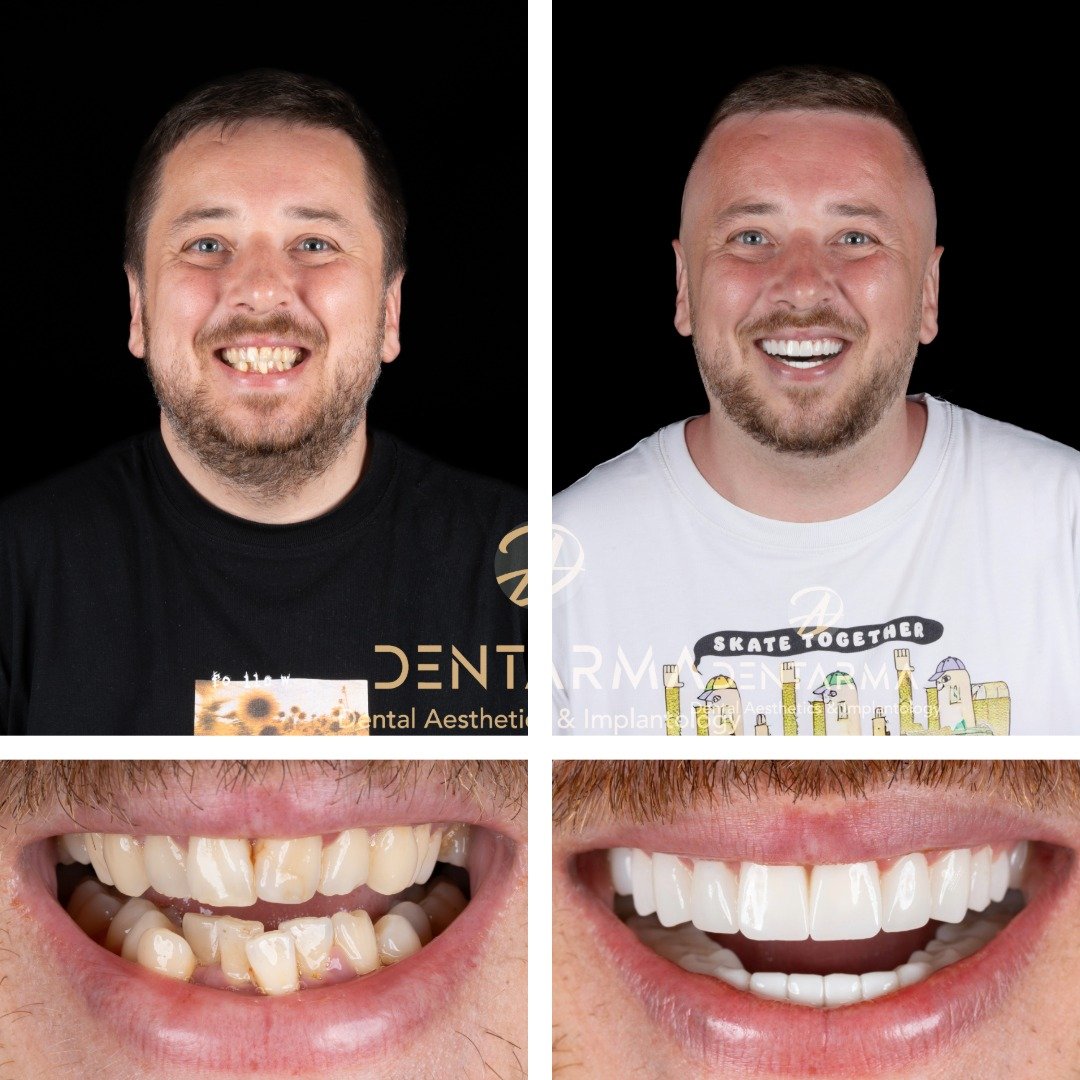
Echte Implantatfälle von echten Patienten.
Jeder Fall unten ist ein Dentarma-Implantatpatient, der zugestimmt hat, seine Behandlungsergebnisse zu teilen. Keine Stockfotos. Keine KI. Keine Nachbearbeitung.
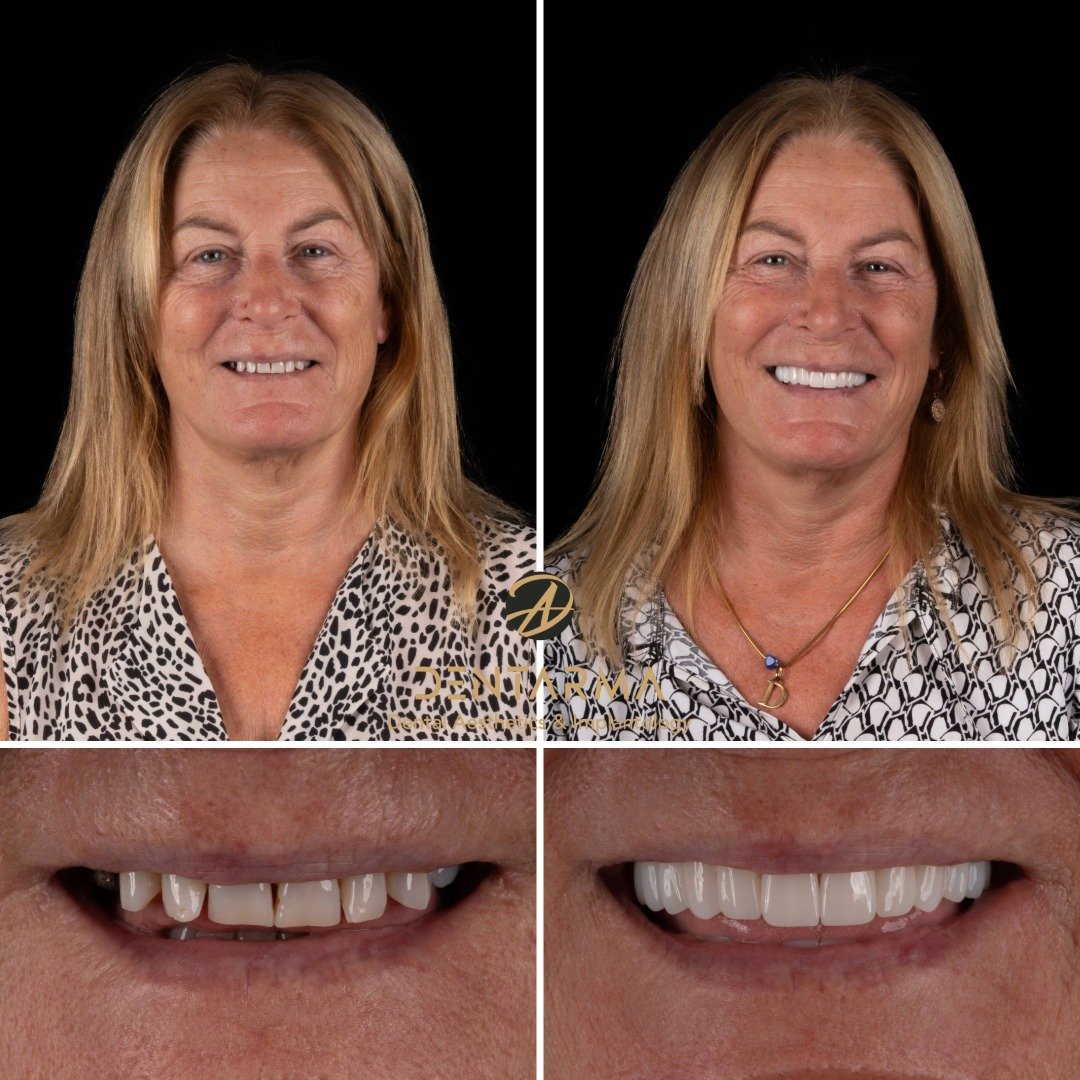
Patientengeschichte
In ihren eigenen Worten
Patientengeschichte
In ihren eigenen Worten
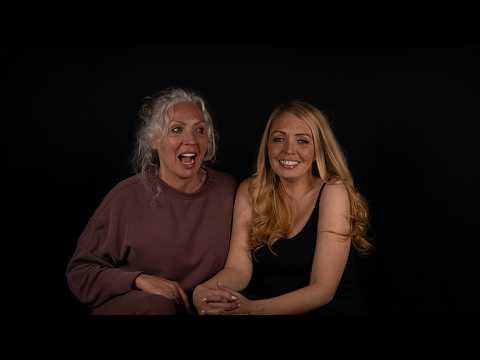
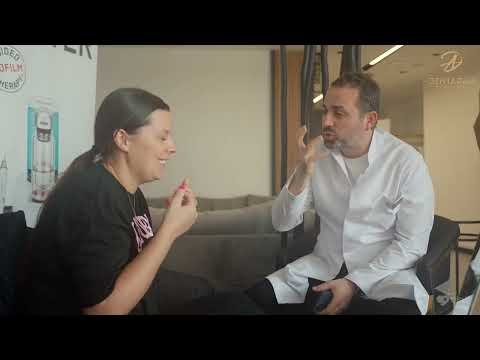
Sehen Sie echte Implantatpatienten, die ihre Behandlungsreise mit DentArma vom ersten WhatsApp-Kontakt bis zum endgültigen Lächeln in ihren eigenen Worten beschreiben.
Vom ersten WhatsApp-Kontakt bis zum letzten Besuch war es die professionellste zahnärztliche Erfahrung meines Lebens. Die Professoren behandeln Sie persönlich. Kein Assistenzarzt.
Sarah M. · Manchester, Vereinigtes Königreich · Behandlung 2025
340+ verifizierte Bewertungen. 4,8 Sterne. Zwanzig Jahre.
Google Business Profile
Was Patient:innen auf Google sagen.
Unabhängig von verifizierten Patienten auf Google veröffentlicht. Keine Filterung, keine Bearbeitung.
Basierend auf 231 verifizierte Google-Bewertungen
Alles auf Google lesen →
 Simon Blewitt
Trustindex, incelemenin orijinal kaynağının Google olduğunu doğrular.
From my very first contact with Mary I felt like a valued customer and have always had any questions or queries answered promptly and professionally, I would personally recommend Dentarma to anyone based on my personal experience with the whole team who dealt with me. I travelled alone and at no point whilst I was there did I feel alone as they are always there at the end of the phone, every step of the way in my first visit I have been looked after and kept informed of any treatments I would be receiving. I was picked up from the Airport and taken to my hotel which was all included in the price, I was also picked up from my hotel and driven to the clinic and returned to the hotel following my appointments. Everybody you deal with at Dentarma are very friendly, knowledgeable and always happy to help or support you in your journey. Top to bottom a brilliant team. From having my initial extractions on my first visit to the clinic to leaving at the end of the week with my temps I have felt comfortable throughout, I return in four months for my finals and am already excited for my final part off my journey. A great team of smashing people. 10 out of 10 from me. Edit:- Attended the Dentarma clinic in Antalya for my second visit to get my finals on week commencing 27 April 2026 and have received the same 5 star treatment as the first time. 5 clinic days and I've left on the following Sat having had a great week, been looked after the whole time, zero pain throughout all procedures. The hotel (Peramis hotel and spa) I would also highly recommend as the staff, facilities and hospitality were amazing, many thanks to the whole team at Dentarma and the hotel, I'm smiling all the time thanks to you all. Another 10 outa 10 from yours truly. 😁❤️ Lisa davidsonI highly recommend Dentarma, I have made 2 journeys to Antalya 6 months apart from the minute I was picked up at airport until I was dropped back of to go home I was very well taken care off, the clinic is very easy to get hold off at any time, my treatment was very well done & very happy with my results
 Mark ReedSo as somebody with an anxiety disorder, and teeth, dentists, avoiding dentists being at the top of the list, the thought of coming to any clinic was a really hard battle. But I went with Dentarma in Antalya after a lot of research. I cannot speak highly enough of all the communications and support both before and during my first trip. Nothing was too much, my actual treatment plan was almost identical to the one Sen remotely an so trip one has been 1 bone graft 1 sinus lift 2 root canals 23 teeth shaved down 23 zirconium crowns I had temps to wear out every day, and was provided pain relief when needed, all the team were just so welcoming, understanding, honest and transparent. I am over the moon with the results and can’t wait to get back and complete treatment, which is something I simply would never had said about the thought of any dentist work anywhere else. I feel like I have physical health, a lot less anxiety and no more pursed lip photos ever again!
 M FarshbafAfter a previous dental experience where the treatment was not done properly, I was left dealing with ongoing issues and uncertainty. This clinic completely changed that. The problem was quickly identified and corrected with a high level of precision, professionalism, and care. The attention to detail and patient-focused approach truly stand out, and the difference in quality is exceptional. I can confidently say this has been a top-level experience. Highly recommended — Dentarma in Antalya.
 Mark MoyesA first class journey from beginning to end, met with the dentarma team in a Glasgow hotel and discussed my dental needs and agreed on a price they arranged everything from flights to hotel to transfers from the airport and back in their limousine ,they also transfer from the hotel to the clinic every visit, my journey started in October 2025 where I met the professor and his team in an incredible clinic with all state of the art equipment, first stage was an x ray of my mouth then treatment was discussed and final price was agreed, 2 hours later the first stage of treatment was completed teeth removed and implants fitted 6 on top and 4 on bottom the treatment was relatively painless from start to finish, I went home with temporary teeth until February 2026 when I returned for my 2nd round of treatment, same journey as before transfers and hotel all included again I was x rayed to make sure everything was ok the temporary teeth were removed and I was fitted with more temps then I picked my teeth size, shape and colour and they were fitted, they were fantastic, they also have a photographer who takes photos from the start of treatment until the final round of treatment, my experience with dentarma was perfect from start to finish and I would highly recommend the professor and his team from Elon and Sebnem to the dentist appointed for your treatment and the drivers who drove you anywhere you wanted to go everything is included in the price for you and your partner to accompany you,
 Scott WrightDENTARMA couldn't do any more for u transfers from airport to hotel all the dentist appointments car was waiting on u dentist was first class always on the other side of the phone for any querys would highly recommend them to anybody wanting any dental treatment 😁👍
 alan bridgesI had an amazing experience with DentArma Turkey from start to finish. From the moment I first made contact, their team was incredibly professional, responsive, and helpful, answering all of my questions and making me feel completely at ease about travelling abroad for dental treatment. When I arrived, everything was organised perfectly – from airport transfers to accommodation – which took a lot of stress off my shoulders. The clinic itself was modern, clean, and equipped with the latest technology. The dentists and staff were not only highly skilled but also genuinely caring and attentive throughout the entire process. What really stood out to me was how thorough they were. They explained every step of the treatment clearly, made sure I was comfortable at all times, and paid great attention to detail to achieve the best possible result. I felt completely safe and well looked after. I’m absolutely thrilled with my new smile – the results exceeded my expectations! It has truly boosted my confidence, and I couldn’t be happier. I would highly recommend DentArma Turkey to anyone considering dental treatment abroad. Thank you to the whole team for such a positive and life-changing experience!
 Sharon AbbeySmiles, Kindness and an Experience We’ll Never Forget We cannot speak highly enough of Dentarma and the incredible team who looked after us. From the moment we walked through the door, we were treated with kindness, professionalism, and genuine care. What can often feel like a daunting experience was made comfortable, calm, and even enjoyable. The attention to detail, the pride in their work, and the way they truly care about their patients is something very special. Every step was explained, nothing was rushed, and the results have honestly exceeded our expectations. We feel so grateful to have found Dentarma. Thank you for not only giving us beautiful smiles, but for the wonderful experience and memories that came with it. We will always be thankful and would recommend Dentarma to anyone without hesitation.
 sheree MurphyBefore you go down the rabbithole of overseas dentistry pls look no further....... DentArma made my dream smile come true!! The team made us feel like family through the whole treatment process. My partner and i both had different treatments therefore dentists and nurses and honestly we could not fault anything. My partner is a shy man, by the end of his treatment he was throwing hugs around everywhere and to everyone because he was soooo happy with his results. I have come home and have our friends getting their quotes and setting up there appointments to align with my 6 month 2nd visit. Other friends and family are asking for info after seeing and hearing our stories. I highly recommend the whole team at DentArma for a high level of professionalism and most of all the genuineness of care for your wellbeing - right from the minute they pick you up from the airport and their beautiful hotel (I can not recommend the Lillium Boutique Hotel enough aswell) until your return to the airport. You are taken care of and all you need to do be ready. Again we love yr work DentArma team and we will see you in Sept💛
 Cath DixonI had a very good experience with DentArma they were very kind and friendky and very atentive to me. Nothing was too much for them, they explained everything in detail and in a great manner. They had good timing and pickups and drop off were also in a timely manner. Overall great exoerience and teeth looking well. Kind regards CathGoogle değerlendirmesi, 231 değerlendirme göre 5 üzerinden 4.7
Unabhängig verifiziert
Trustpilot Über 380 Bewertungen 4,9 Sterne
Trustpilot überprüft jede Bewertung unabhängig. Unsere Bewertung spiegelt über 12 Jahre gleichbleibend erfolgreiche Patientenergebnisse wider.
Basierend auf Über 380 verifizierte Trustpilot Bewertungen
Alle auf Trustpilot lesen →„Schon beim ersten Kontakt hat DentArma alles klar erklärt, mir ein sicheres Gefühl gegeben und mich durch den gesamten Prozess begleitet. Das Team hat sich wirklich um das Ergebnis gekümmert. Ich kann sie uneingeschränkt empfehlen.“
„Eine makellos saubere Klinik mit hochmoderner Ausstattung. Nach drei separaten Besuchen in den Jahren 2023 und 2024 war ich mit den Ergebnissen begeistert. Ich würde DentArma ohne Zögern jedem empfehlen, der in der Türkei eine Implantatbehandlung in Betracht zieht.“
„Ich bin allein für eine Voll-Implantatbehandlung gereist. Ich wurde mit einem Luxuswagen vom Flughafen abgeholt, alle Termine waren pünktlich. Die Klinik ist hervorragend, und die Nachsorge in Großbritannien hat mir echte Sicherheit gegeben.“
Transparente Preisgestaltung, schriftlich festgelegt.
Jedes Dentarma All-on-4-Paket ist ein All-inclusive-Angebot und umfasst vier Straumann Neodent®-Implantate, eine sofortige provisorische festsitzende Brücke am selben Tag, eine endgültige Zirkonbrücke, Hotelunterkunft für beide Besuche, VIP-Transfers, alle Medikamente sowie die Nachsorge im Vereinigten Königreich. Der Ihnen genannte Preis ist der Endpreis, den Sie bezahlen.
Alles, was Sie sonst noch wissen möchten.
Sind Zahnimplantate schmerzhaft?
Die Operation wird unter örtlicher Betäubung durchgeführt, daher ist der Eingriff selbst schmerzfrei. Die meisten Patienten beschreiben die Beschwerden nach der Operation als deutlich geringer als erwartet — vergleichbar mit einer routinemäßigen Zahnextraktion. Verschreibungspflichtige Schmerzmittel decken die ersten 2–3 Tage ab, und die meisten Patienten kehren innerhalb einer Woche zu ihren normalen Aktivitäten zurück.
Wie lange halten Zahnimplantate?
Ein korrekt gesetztes und gut gepflegtes Straumann Neodent® Implantat ist darauf ausgelegt, ein Leben lang zu halten.Langzeitstudien zeigen Überlebensraten von über 95 % nach 10 Jahren und über 90 % nach 20 Jahren. Die auf dem Implantat befestigte Krone hält in der Regel 15–25 Jahre, bevor sie möglicherweise ersetzt werden muss – deshalb bieten wir eine 10-jährige Garantie auf Kronen.
Bin ich zu alt für Zahnimplantate?
Es gibt keine obere Altersgrenze für Zahnimplantate. Wir behandeln routinemäßig Patienten in ihren 70ern und 80ern. Entscheidend sind der allgemeine Gesundheitszustand und die Knochenqualität – nicht das Alter. Viele ältere Patienten sind ausgezeichnete Kandidaten, da sie stabile medizinische Voraussetzungen und eine klare Motivation für die Behandlung haben.
Kann ich Implantate bekommen, wenn ich rauche?
Sie können – aber Rauchen senkt die Erfolgsrate deutlich.Wir empfehlen dringend, mindestens 2 Wochen vor der Operation aufzuhören und idealerweise während der gesamten 3–6-monatigen Einheilphase. Patienten, die während der Osseointegration weiter stark rauchen, haben deutlich höhere Ausfallraten. Wir behandeln auch Raucher, führen jedoch zuerst ein ehrliches Gespräch über die Risikoreduktion.
Was, wenn mein Körper das Implantat abstößt?
Eine echte „Abstoßung“ ist extrem selten – Titan ist biokompatibel und löst keine Immunreaktionen aus. Was vorkommen kann (in 1–2 % der Fälle), ist eine fehlgeschlagene Osseointegration, bei der der Knochen nicht korrekt in das Implantat einwächst. Wenn dies bei einem Dentarma-Implantat auftritt, ersetzen wir es im Rahmen unserer lebenslangen Garantie kostenlos..
Kann ich mit All-on-4 normal essen?
Von Anfang bis Ende dauert eine Zahnimplantatbehandlung typischerweise 4–6 Monate.Allerdings werden nur 10–14 Tage dieser Zeit in Antalya verbracht – aufgeteilt auf zwei Aufenthalte von jeweils 5–7 Tagen. Die 3–6 Monate zwischen den Terminen sind die Knochenheilungsphase (Osseointegration), in der Sie zu Hause im Vereinigten Königreich komfortable provisorische Zähne tragen.
Wie lange dauert der gesamte Implantatprozess?
Wir empfehlen, nach der Operation mindestens 5–7 Tage in Antalya zu bleiben, um Ihre postoperativen Kontrolltermine wahrzunehmen, sicherzustellen, dass die Heilung gut verläuft, und um kleinere Anpassungen an Ihren provisorischen Zähnen vorzunehmen. Ein Flug innerhalb von 48 Stunden nach der Operation wird nicht empfohlen – ein Flug nach 5–7 Tagen ist jedoch völlig sicher.
Kann ich direkt nach der Operation nach Hause fliegen?
In den ersten 3–7 Tagen nach der Operation: nur weiche Nahrung – Suppen, Smoothies, Kartoffelpüree, Rührei, Joghurt, weicher Fisch. Nach 1 Woche: schrittweise Rückkehr zu normaler Ernährung, wobei harte oder zähe Lebensmittel im Bereich des Implantats vermieden werden sollten. Nach 4–6 Wochen: vollständig normale Ernährung. Nach dem Einsetzen der endgültigen Kronen (Besuch 2): Sie können alles essen.
Was kann ich nach einer Implantatoperation essen?
In den ersten 3–7 Tagen nach der Operation: nur weiche Nahrung – Suppen, Smoothies, Kartoffelpüree, Rührei, Joghurt, weicher Fisch. Nach 1 Woche: schrittweise Rückkehr zu normaler Ernährung, wobei harte oder zähe Lebensmittel im Bereich des Implantats vermieden werden sollten. Nach 4–6 Wochen: vollständig normale Ernährung. Nach dem Einsetzen der endgültigen Kronen (Besuch 2): Sie können alles essen.
Deckt meine Versicherung Zahnimplantate ab?
Die NHS im Vereinigten Königreich übernimmt Zahnimplantate nur in sehr speziellen medizinischen Fällen (z. B. nach einer Krebsrekonstruktion). Private Zahnzusatzversicherungen im Vereinigten Königreich übernehmen gelegentlich einen Teil der Kosten – dies hängt von Ihrer individuellen Police ab. Eine Behandlung in der Türkei bei Dentarma wird von der NHS oder den meisten britischen privaten Versicherungen nicht erstattet. Daher sollten Sie mit einer Selbstfinanzierung planen – der deutliche Preisunterschied zu privaten Kliniken im Vereinigten Königreich macht dies in der Regel gut kalkulierbar.
Was ist, wenn ich eine Knochenaugmentation oder einen Sinuslift benötige?
Wenn Ihr Fall eine Knochenaugmentation oder einen Sinuslift erfordert, wird dies anhand Ihres Röntgenbildes während der kostenlosen Beratung festgestellt und in Ihrem schriftlichen Kostenvoranschlag transparent aufgeführt,bevor Sie sich verpflichten. Beide Verfahren werden bei Dentarma routinemäßig durchgeführt. Sie verlängern die Gesamtbehandlungszeit um etwa 3–6 Monate und verursachen zusätzliche Kosten (immer im Voraus angegeben, niemals als Überraschung bei der Ankunft).
Sind Zahnimplantate in der Türkei von derselben Qualität wie im Vereinigten Königreich?
Wenn das Implantat von einer Premium-Marke (Straumann, Straumann Neodent®, Nobel Biocare) stammt, von einem qualifizierten Chirurgen eingesetzt wird und in einer entsprechend ausgestatteten Klinik erfolgt, dann ja – in identischer Qualität. Das Implantat in Ihrem Kiefer ist dasselbe physische Produkt, das auch in einer Top-Klinik in Londons Harley Street verwendet wird. Der Preisunterschied spiegelt die Betriebskosten der Klinik wider, nicht die klinische Qualität. — Mietkosten der Klinik, Gehälter des Personals und Steuern — nicht die Material- oder klinische Qualität.
Was passiert bei dem Nachsorgetermin im Vereinigten Königreich?
UK-Nachsorgetermine in unseren Partnerkliniken in Glasgow, Surrey oder North Croydon umfassen: routinemäßige Kontrolle der Heilung und Integration, Beurteilung der Mundhygiene, gegebenenfalls Bisskorrekturen, Behandlung jeglicher periimplantärer Entzündungen sowie die Ersteinschätzung bei Beschwerden. Größere prothetische Arbeiten oder Implantatreparaturen werden in unserer Klinik in Antalya im Rahmen Ihrer Garantie durchgeführt (Flüge und Hotelkosten für garantiebedingte Rückbesuche werden von uns übernommen).
Bieten Sie Ratenzahlungspläne an?
Ja. Bei größeren Behandlungen können wir die Gesamtzahlung für eine vollständige Versorgung auf Ihre zwei Behandlungsbesuche aufteilen. Wir akzeptieren Zahlungen in GBP, EUR und USD per Banküberweisung, alle gängigen Kreditkarten (Visa, Mastercard, AmEx) sowie Bargeld. Derzeit bieten wir keine formellen Finanzierungen oder zinsbasierten Ratenzahlungspläne an, arbeiten jedoch bei Full-Mouth-Fällen mit flexiblen Zahlungszeitpunkten.
Wie hoch ist Ihre Implantat-Erfolgsrate?
Die Erfolgsrate von Dentarma-Implantaten liegt nach 5 Jahren konstant bei über 98 %und entspricht damit den höchsten veröffentlichten, peer-reviewten Standards in der Implantologie. Dies ist zurückzuführen auf: Premium-Implantatmarken (Straumann Neodent®), 3D-CBCT-Planung für jeden Fall, chirurgische Durchführung durch einen einzelnen Fachchirurgen (Prof. Dr. Şeker, 30.000+ Implantate) sowie strukturierte Nachsorge über unser UK-Partnernetzwerk.
Was passiert, wenn ein Implantat Jahre später versagt?
Wenn ein bei Dentarma gesetztes Straumann Neodent® Implantat zu irgendeinem Zeitpunkt in der Zukunft aufgrund von biomaterialbedingten oder chirurgischen Ursachen versagt, ersetzen wir es im Rahmen unserer lebenslangen Garantie kostenlos.Wir übernehmen die Kosten für das Ersatzimplantat, die Operation, die neue Krone sowie die Flüge und Hotelkosten für den Rückbesuch in Antalya. Ausfälle aufgrund unzureichender Mundhygiene des Patienten oder äußerer Traumata sind nicht abgedeckt.
Senden Sie uns Ihr Röntgenbild. Erhalten Sie innerhalb von 24 Stunden ein schriftliches Angebot.
Der schnellste Weg, um herauszufinden, was eine Implantatbehandlung kostet und ob Sie ein geeigneter Kandidat sind, ist, uns ein Panoramaröntgen zu senden. Wir antworten persönlich innerhalb von 24 Stunden, und die meisten Nachrichten werden innerhalb einer Stunde beantwortet.